tarihi ve turistik yerler etiketine sahip kayıtlar gösteriliyor. Tüm kayıtları göster

2 Kasım 2010 Salı

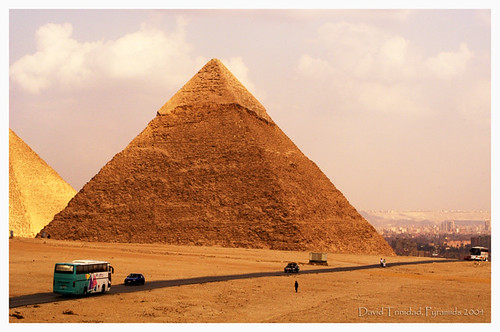
MISIR PİRAMİTLERİNİN ESRARI

Binlerce yil önce yapilan piramitlerde bugün bile hala binlerce sir yatmaktadir.O tarihlerde piramitleri yapan insanlar herhalde metre kavramini bilmiyorlardi.Ve bütün bunlari göz karariyla yapmalarida imkansiz.Bugün bile çok düzenli bir sekilde yapilan gökdelenlerde çok hafif bir sapma sözkonusu olabiliyor.Peki o zamanlar bunlari yapan insanlar ölçüm için ne kullandilar.Saniye mi?Arsin birimi mi?Misir endazesi mi?Bilemiyoruz.Şimdi bu piramitlerde, özellikle Gize bölgesindeki büyük piramitin çesitli oranlarda ölçümlerine bir bakalim.Bunlarin hepsi bir rastlanti mi?Olabilir.Ama bu kadar çok rastlantida insani düsündürüyor!

Piramitlerin Gizemi

Her biri 20 ton olan taşlardan inşa edilmiştir ve bu taşları temin edilebilecek en yakın mesafe yüzlerce kilometre uzaklıktadır. Bu taşların nasıl getirildiği konusunda kesin olmayan farklı varsayımlar bulunmaktadır.

Piramit, kimin adına yapıldıysa, onun bulunduğu odaya, yılda sadece 2 kez güneş girmektedir. (doğduğu ve tahta çıktığı günler)

Mumyalarda radyoaktif madde bulunduğundan mumyaları ilk bulan 12 bilim adamı kanserden ölmüştür.

Piramitlerin içerisinde ultra sound, radar, sonar gibi cihazlar çalışmamaktadır.

Kirletilmiş suyu, birkaç gün Piramit’in içine bıirakırsanız; suyu arıtılmış olarak bulursunuz.

Piramit’in içerisinde süt, birkaç gün süreyle taze kalır ve sonunda bozulmadan yoğurt haline gelir.

Bitkiler Piramit’in içinde daha hızlı büyürler.

Piramit’in içine bırakılmış su, 5 hafta süreyle bekletildikten sonra yüz losyonu olarak kullanılabilir.
Çöp bidonu içindeki yemek artıkları, hiç koku vermeden Piramit içinde mumyalaşır.

Kesik, yanık, sıyrık gibi yaralar büyükçe bir Piramit’in içinde daha çabuk iyileşme eğilimi gösterir.

Piramitlerin bazı odalarının içinde ne olduğu hakkında bir bilgi yoktur; araştırmacıların çoğu, ya içinde kayboldular ya da aynı yerde birkaç tur attılar, fakat içlerini göremediler.

Piramitlerin içi yazın soğuk kışın sıcak olur

Büyük Piramitin açilari,Nil’in delta yöresini iki esit parçaya bölerler.

Gize’deki üç piramit aralarinda bir Pitagor üçgeni olacak sekilde düzenlenmislerdir.Bu üçgenin kenarlarinin birbirlerine göre orani 3:4:5′dir.

Büyük Piramitin tabininin yüzeyi,anitin yarisinin iki katina bölündügünde pi=3,14 sayisi elde edilir.

Büyük Piramitin dört yüzeyinin toplam yüzölçümü,piramit yüksekliginin karesine esittir.

Büyük Piramit,dünyanin kara kitlesinin merkezinde yer aliyor.

Büyük Piramit,dört ana yöne göre düzenlenerek insa edilmistir.

Piramit dev bir günes saatidir.Ekim ortasiyla Mart basi arasinda düsürdügü gölgeler mevsimleri ve yilin uzunlugunu gösterirler.Piramiti çeviren tas levhalarin uzunlugu bir günün gölge uzunluguna esittir.Bu gölgelerin tas levhalar üstinde gözlenmesiyle günün 0,2419 bölümünde yilin uzunlugu yanlissiz olarak saptanabiliyordu.

Büyük Piramit’le dünyanin merkezi arasindaki uzaklik,Kuzey kutbuyla arasindaki uzakliga esittir ve kuzey kutbuyla dünyanin merkezi arasindaki uzakliga esittir.

Piramitin yüksekligiyle,çevresi arasindaki oran,bir dairenin yari çapiyla çevresi arasindaki oranin dengidir.Dört kenarlar dünyanin en büyük ve çarpici üçgenleridir.

31 Ekim 2010 Pazar

Bodrum Castle-bodrum kalesi


Bodrum Kalesi, Bodrum'un simgesi haline gelmiş ve bugün Sualtı Arkeoloji Müzesi olarak kullanılan kale. (St. Peter Kalesi)

Bodrum kalesi iki liman arasında kayalık bir alan üzerinde kurulmuştur. Antik çağda önce ada olan bu alan sonraları kente bağlanarak yarımada durumuna gelmiştir.

1406 - 1523 tarihleri arasinda inşa edilen St. Jean Sövalyeleri'nin kalesi, kare planlı, 180 x 185 m. ölçülerindedir. İç kale içinde değişik ülke adları verilmiş kuleler bulunmaktadır. En yüksek kule deniz seviyesinden 47.50 m. yükseklikte olan Fransız Kulesi'dir. Diğer kuleler İtalyan Kulesi, Alman Kulesi, Yılanlı Kule ve İngiliz Kulesidir.

Kalenin doğu duvarı dışında kalan bölümleri çift beden duvarları olarak takviye edilmiştir. İç kaleye 7 kapı geçilerek ulaşılır. Kapılar üzerinde armalar bulunmaktadır. Armalar üzerinde haçlar, düz veya yatay bantlar, ejder ve aslan figürleri bulunmaktadır. İç kalede Sapelin alti dahil olmak üzere 14 sarnıç vardır. Kale korugani, çiftli duvarlar arası su hendeği, asma köprü, kontrol kulesi, II. Mahmut tuğrası kalenin göze çarpan yerlerindendir.

Bodrum Kalesi, 19. yüzyıl sonunda kalenin hapishane olarak kullanıldığı dönemde bir hamam yapısı ile Osmanlı niteliği kazanmıştır.

Kale bugün Sualtı Arkeoloji Müzesi olarak kullanılmaktadır. Müze koleksiyonlarında bulunan eserler Türk hamamı, Amphora sergilemesi, Doğu Roma Gemisi, Cam Salonu, Cam Batığı, Sikke ve Mücevherat Salonu, Karyalı Prenses Salonu, İngiliz Kulesi, İşkence ve Katliam Odaları ve Alman Kulesi'nde sergilenmektedir. Ayrıca, 33.5 dönüm genişliğindeki bir arazi üzerine kurulmuş olan kalede açık mekanlarda da eser sergilenmektedir.

Müze, 1995 yılında Avrupa'da Yılın Müzesi Yarışması'nda "Özel Övgü" ödülünü almıştır.

Vikipedi, özgür ansiklopedi


History


Confronted with the invasion of Seljuk Turks, the Knights Hospitaller, with their headquarters on the island of Rhodes, needed another stronghold on the mainland. Grand Master Philibert de Naillac (1396-1421) found a suitable site across the island of Kos, where there was already a castle of the Order. This location had been already the site of a fortification in Doric times (1110 BC) and of a small Seljuk castle in the 11th century. The same promontory was also the probable site of the palace of Mausolos, the famous king of Caria. [1]


View from the south-eastThe construction of the castle started in 1402 under the German knight-architect Heinrich Schlegelholt. Construction workers were guaranteed a reservation in Heaven by a papal decree of 1409. They used squared green volcanic stone, marble columns and reliefs from the nearby Mausoleum of Maussollos to fortify the castle. The first walls were completed in 1437. The chapel was among the first completed inner structures (probably 1406). It consists of a vaulted nave and an apse. The chapel was reconstructed in Gothic style by Spanish Knights in 1519-1520. Their names can be found on two cornerstones of the façade.

Fourteen cisterns for collecting rainwater were excavated in the rocks under the castle.

Each tongue of the Order had its own tower, each in his own style and the French tower being the tallest. Each tongue, each headed by a bailli, was responsible for the maintenance and defence of a specific portion of the fortress and responsible for manning it with sufficient numbers of knights and soldiers. There were seven gates leading to the inner part of the fortress. The architect had applied the latest in castle design : the passages leading to these gates were full of twists and turns. Eventual assailants could not find cover against the arrows, stones or heated projectiles they had to confront. The Knights had placed above the gates and on the walls hundreds of painted coats of arms and carved reliefs. There remain now 249 separate designs : those of grand masters, castle commandants, countries, personal coat of arms of knights and religious figures.

The construction of the three-storied English tower was finished in 1413. One door opens to the north, to the inner part of the castle; The other door leads to the western rampart. One could only access this tower via a drawbridge. The western façade shows an antique carved relief of a lion. Because of this relief, the tower was also called "the Lion Tower". Above this lion, one can see the coat of arms of king Henry IV of England.


TowerFor over a century St. Peter's Castle remained the second most important castle of the Order. It served as a refuge for all Christians in Asia Minor.

The castle came under attack with the rise of the Ottoman Empire, first after the fall of Constantinople in 1453 and again in 1480 by sultan Mehmed II. The attacks were repelled by the Knights.

In 1482, Prince Cem, son of sultan Mehmed II and brother of sultan Bayezid II, sought refuge in the castle, after a failure in raising a revolt against his brother.

When the Knights decided to fortify the castle in 1494, they used again stones of the Mausoleum. The walls facing the mainland were thickened as to withstand the increasing destructive power of cannons. The walls facing the sea were less thick, since the Order had little to fear from a sea attack due to their powerful naval fleet. Grand Master Fabrizio Del Carretto (1513-21) built a round bastion to strengthen the land side of the fortress.

Sir Thomas Docwra was captain of the castle in 1499.

[edit] 16th century
Between 1505 and 1507 the few sculptures from the mausoleum, that hadn't been smashed and burnt for lime, were integrated into the castle for decoration. These included twelve slabs of the Amazonemachy (combat between Amazons and Greeks) and a single block of the Centauromachy, a few standing lions and one running leopard.


A cannonWhen faced by attack from Sultan Suleiman, Philippe Villiers de L'Isle-Adam, the Grand Master of the Knights Hospitallers ordered the Castle to be strengthened again. Much of the remaining portions of the mausoleum were broken up and used as building material to fortify the castle. By 1522 almost every block of the mausoleum had been removed.

In June 1522 the sultan attacked the Order's headquarters in Rhodes from the Bay of Marmaris with 200,000 soldiers. The castle of Rhodes fell in December 1522. The terms of surrender included the handing over of the Knights' fortresses in Kos and St Peter's Castle in Bodrum.

After the surrender, the chapel was turned into a mosque and a minaret was added. This mosque was called the Süleymaniye Camii, as attested by a traveler Evliya Chelebi, who visited Bodrum in 1671. The minaret was destroyed on 26 May 1915 by rounds fired by a French warship during the World War I. It has been reconstructed in its original shape in 1997.

[edit] 19th century

The window with the arms of the Knights Hospitaller in the English towerIn 1846 Lord Stratford Canning, the British Ambassador to Constantinople obtained permission to take twelve marble reliefs, showing a combat between Greeks and Amazons. Sir Charles Newton, a member of the staff of the British Museum, conducted excavations and removed a number of stone lions and one leopard in 1856. Presently, these are all to be found at the British Museum.[2]

In later years, the castle has been used for different purposes. It was used as a military base by the Turkish army during the Greek Revolt in 1824. In the 19th century the chapel was converted into a mosque and a minaret was added. At the same time a hamam (public bath) was installed in the castle. In 1895 the castle was turned into a prison. During World War I, the castle was fired upon by a French warship, toppling the minaret and damaging several towers. After the war, the Italians stationed a garrison in the castle, but withdrew in 1921 when Mustafa Kemal Atatürk came to power.

The castle stood empty for 40 years.

Amasra-Bartın


Amasra, Batı Karadeniz Bölgesinde, Bartın iline bağlı bir ilçedir. Son yıllarda turizm potansiyelindeki artışla dikkat çekmektedir.

Denize doğru uzanmış bir burun, burnun iki yanında korunaklı birer liman görevi gören iki koy ve ana karaya bağlı ve bağımsız adaları ile eşsiz bir görsel güzelliğe de sahip olan Amasra hem 3000 yıllık tarihi, hem çekicilik ve balıkçılığa dayanan yerel sanatları, hem de kendini çevreleyen ormanlık alanları ile görülmeye değer yerlerden biridir. Amasra halen özgün balık lokantaları, temiz orta boyuttaki otelleri ve sayısız ev pansiyonuyla turizme katkıda bulunmaktadır. Sanatçı Barış Akarsu'nun memleketidir. Barış Akarsu Ocak 2007'de çıkardığı son kasetini Amasralılara ithaf etmiştir

Vikipedi, özgür ansiklopediden alıntıdır


Amasra (pop. 7000; from Greek Amastris Ἄμαστρις, gen. Ἀμάστριδος) is a small Black Sea port town in the Bartın Province, Turkey. The town is today much appreciated for its beaches and natural setting, which has made tourism the most important activity for its inhabitants.

Amasra has two islands: the bigger one is called Büyük ada (Great Island) while the smaller one is called Tavşan adası (Rabbit Island).